
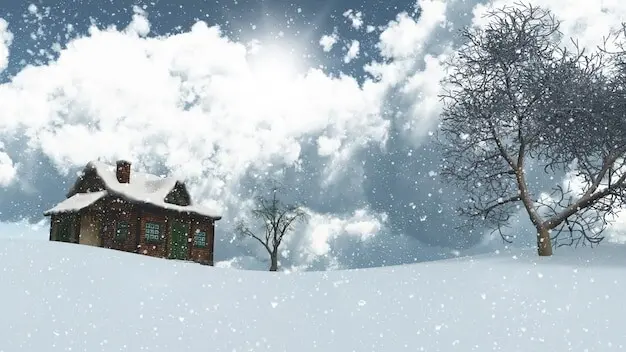
Crafting Self-Reliant Mountain Cabins with Timber and Stone
Step into the high country as we explore designing off-grid mountain cabins built with locally sourced timber and stone. From reading ridgelines and prevailing winds to crafting durable joinery and integrating solar, micro-hydro, and resilient water systems, discover practical guidance, stories, and field-tested details that honor place, reduce footprints, and keep you warm when storms roll in.

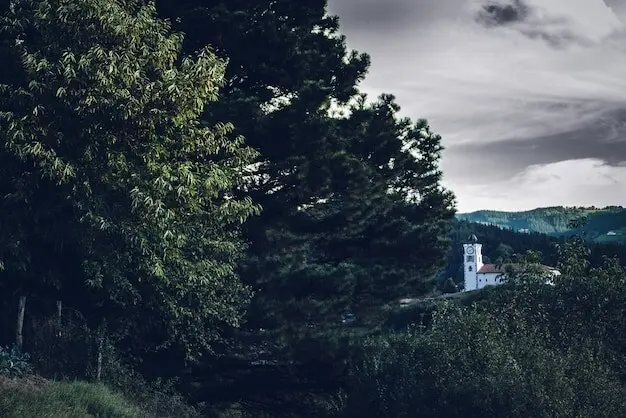
Reading the Mountain and Choosing the Spot
Great cabins begin with listening to the land. Study slope angles, avalanche paths, rock outcrops, snow deposition, and wind corridors before you set a single stake. Observe winter sun arcs and summer shade, note animal trails and fragile plants, consider access after storms, and weigh safety, privacy, and views. Good siting lowers energy needs, preserves ecosystems, and anchors the cabin gently to its mountain, year after year.
Working with Local Timber and Stone
Local materials tell the mountain’s story while shrinking transport emissions and costs. Select species for structure and durability, match stone to freeze–thaw conditions, and mill or hew with intention. Moisture content, grain orientation, and bedding planes matter as much as beauty. By pairing responsibly harvested timber with well-chosen stone, you create a resilient envelope, expressive textures, and a supply chain rooted in craftspeople you can actually visit and support.
Foundations on Bedrock and Frost

Where bedrock is near, pin brackets into sound stone and shim carefully to true lines; where soils dominate, extend below frost or use frost-protected shallow systems with wing insulation and perfect drainage. Always separate timber from splash zones with stone or steel and capillary breaks. Build in inspection access for future checks. Foundations you cannot see still write the story of every creak, silence, and winter night your cabin survives comfortably.
Frames that Carry Winter
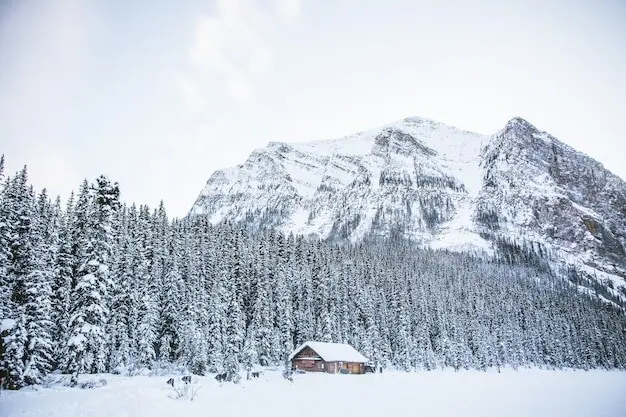
Snow is patient and heavy. Size rafters and purlins for local ground snow load, account for drift at valleys and near parapets, and add compression struts where spans push limits. Knee braces and diagonal sheathing tame racking winds. Pre-fit mortises, check bearing lengths, and avoid notches that interrupt fiber continuity. When the frame is tuned to the mountain’s music, rooflines stay true, doors swing freely, and windows open without protest.
Roofs Built for Drifts and Icicles

In snow country, simple roof forms win. Favor sturdy, steep pitches that shed, with generous eaves, robust ice and water membranes, and cold ventilated assemblies that reduce ice dams. Snow guards protect entries and walkways; diverters steer drifts away from chimneys. Stone gable walls resist lateral forces, while timber outlookers carry deep overhangs. Every seam, vent, and valley deserves belt-and-suspenders thinking, because meltwater always finds the tiniest invitation to sneak inside.
Power, Water, and Waste without the Grid
Audit your true loads first: lighting, pumps, fans, device charging, and occasional tool use. Size arrays for winter insolation, not summer plenty, and prioritize DC-efficient appliances. Pair with a battery chemistry suited to cold, with enclosure heat if necessary. Wire cleanly, label generously, and include fuses sized to protect conductors. When the sun hides for a week, you will bless every watt you did not waste and every standby load you eliminated.
A reliable spring or creek with steady head can outwork solar during dark months. Survey head and flow precisely, route penstocks to minimize friction losses, and protect intakes from ice and debris with screened boxes. Gravity is a faithful partner: pressure tanks, downhill cisterns, and air-release valves keep lines calm. Insulate, bury below frost, and add drain-downs for deep cold snaps. The quiet hum of water power becomes winter’s steadfast heartbeat.
Composting systems, sealed vaults, or urine-diverting solutions save water and protect soils when maintained thoughtfully. Site dispersal fields far from waterways, and keep greywater grease-trap cleanouts accessible. In freezing climates, route drains with continuous fall and serviceable cleanouts. Choose low-toxicity soaps to support biotic health. The best system is the one you will actually care for in February, with cold fingers and a headlamp, without contaminating snowfields cherished by generations.
Warmth, Ventilation, and Fire
Comfort in the mountains is a dance between tightness, breathability, and managed heat. Pair robust insulation with disciplined air sealing, then let controlled ventilation and thermal mass smooth extremes. Stone absorbs and releases warmth; timber moderates humidity. A right-sized stove, safe chimney, and smart clearances create reliable hearth heat. When vapor drives are respected and drafts are tamed, mornings feel gentle, windows stay clear, and firewood stacks last all season.
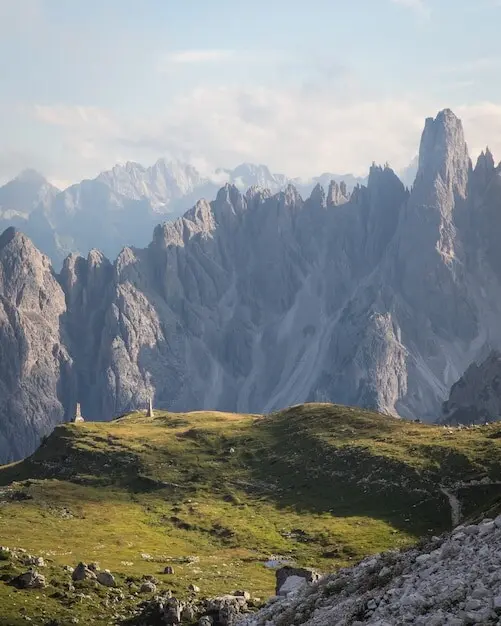
Hands, Tools, and Mountain Logistics
Remote building favors nimble systems and calm planning. Choose tools that travel easily, from chain saw mills and sharp hand planes to battery kits recharged by solar. Stage materials before the first snowfall, protect work under stout tarps, and split tasks by weather window. Prefabricate panels or frames downhill, then assemble quickly on-site. A well-fed crew, safe footing, and clear radio calls often matter more than another expensive gadget.
Lessons, Costs, and Community Ties
Budgets stretch when you value time, trade fairly, and source nearby. Barter for mill time, buy slab ends for benches, and rescue stone offcuts for paths. Learn from elders who read snow like books and logs like maps. Share progress with neighbors; they may plow a road when storms overperform. Tell your story, ask questions, subscribe for updates, and help others dodge pitfalls. Mountain cabins thrive as shared knowledge.
All Rights Reserved.