
Guild Hands, Mountain Hearts
Solidarity at Elevation
From hillside flocks to weatherwise cloth

Larch, stone pine, and the patient knife
Design That Speaks the Mountains
How Community Shares Power the Workshop
Small shares, big infrastructure
A dozen families pledging modest amounts can finance a kiln relining, dust collection upgrades, or fireproof storage that one studio could never afford alone. The guild aggregates needs, negotiates fair contracts, and sequences installations to minimize downtime. Patrons receive candid progress photos, safety test results, and the first pieces fired or finished on new systems. Beyond equipment, these pooled funds underwrite certifications and inspections, ensuring quality that feels not bureaucratic but genuinely protective of hands and homes.
Pickups that become village celebrations
Distribution days are less about parcels than about people. Musicians warm the square; bakers trade rye for spoon rests; children try tiny planes on scrap pine. Makers demonstrate joinery or spindle spinning while volunteers match orders. Visitors see the entire chain, from ledger to label, and ask thoughtful questions. Because everyone has invested, everyone belongs. A scarf crossed a mountain to meet its wearer; a ladle found a kitchen that knew its curve before touching it.
Summer passes become creative corridors
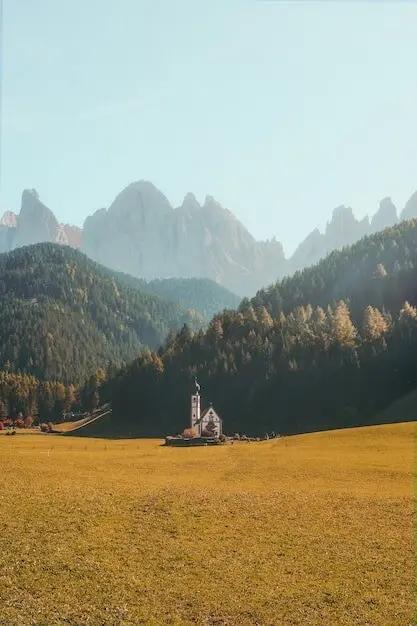
When snow retreats, old mule tracks bloom into art routes. Guilds schedule rotating showcases in mountain inns, chapel courtyards, and tiny museums, where coastal travelers meet ridge-dwelling makers. Workshops swap benches for a week, cross-pollinating methods: a Tyrolean shoulder plane meets a Savoyard spoon knife, and sparks of curiosity fly. Shared tickets fund transport stipends and translation whispers. The geography that once separated villages now functions like a gentle conveyor, carrying ideas along sunlit ridgelines.
From postal mules to parcel lockers
Logistics evolve as gracefully as carvings age. Historic mail paths inspire modern delivery circuits syncing micro-warehouses with village lockers and weekly bus services. Guild-coordinated routes cut emissions, avoid wasteful rushes, and keep fragile goods safe. An old postmaster tells how he once strapped violins to a mule; today, his granddaughter scans barcodes beside an edelweiss planter. Patrons track weather-smart delays with understanding, because the story of movement is part of the story of making.
Labels that speak across tongues
A beautiful object deserves an equally thoughtful explanation. Bilingual and sometimes trilingual labels carry pronunciations, maker bios, fiber or timber provenance, and care instructions that honor both tradition and science. Collaborating linguists refine terms so humor and nuance survive translation. This care strengthens dignity, preventing flattening stereotypes while inviting deeper curiosity. When a buyer reads about larch from a named slope or wool from a specific transhumant flock, borders dissolve into relationships, and respect grows tangible.
Stewardship, Safety, and the Long View


Stories at the Workbench

Join the Circle
{{SECTION_SUBTITLE}}
Become a shareholder from anywhere
Plan a journey that honors the hills
All Rights Reserved.