
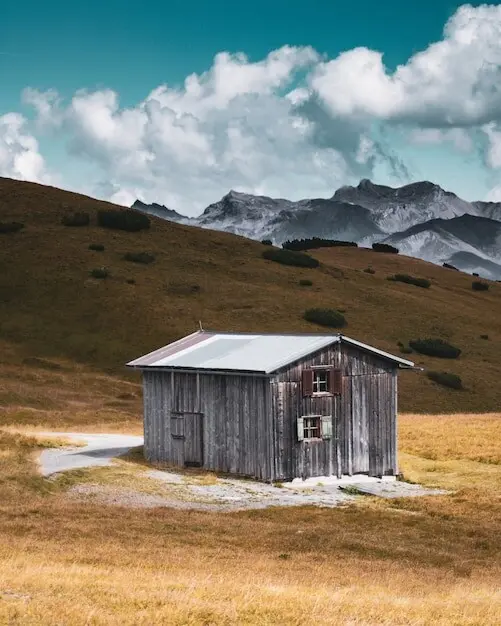
High Roads, Quiet Hours
Welcome to a gentle way of journeying: slow travel itineraries through artisan mountain villages, where time stretches with the loom’s rhythm and the bell of grazing herds. We’ll map restful days between workshops, viewpoints, and markets, meeting makers, sharing tables, and savoring altitude’s clarity, without rushing past what matters. Expect practical routes, heartfelt stories, and invitations to linger longer, so each footstep returns value to communities preserving handcrafts, dialects, and ancestral knowledge that still echo across high passes and pine-shadowed lanes.
Finding Your Rhythm Among the Ridges
Here, every plan begins with breath and landscape. Slow routes wind through passes, pause for village market days, and leave generous space for conversation beside steaming kettles. Altitude influences energy, so we schedule short stages, allow naps after steep lanes, and favor dawn starts for alpine light. You will feel progress in textures gathered: a skein of hand-dyed wool, a bakery’s stamp on warm bread, memories mapped by benches, bells, and the steady hush of distant waterfalls.
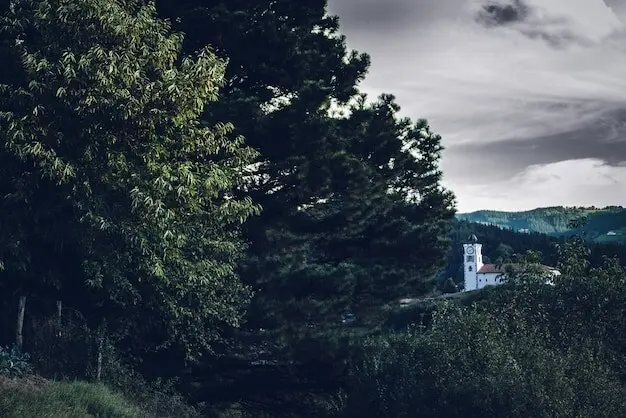
Crafts at the Source
Mountain workshops compress geography into fingertips: dyes coaxed from lichens, vessels shaped to withstand frost, spoons carved for hearty stews. Meeting makers where they live reveals materials’ journeys from hillside and herd to market bench. Each demonstration models patience, precision, and pride. We visit with respect, purchase directly, and ask permission before photographing hands at work, ensuring exchanges remain personal, fair, and rooted in the rhythms that sustain highland households.
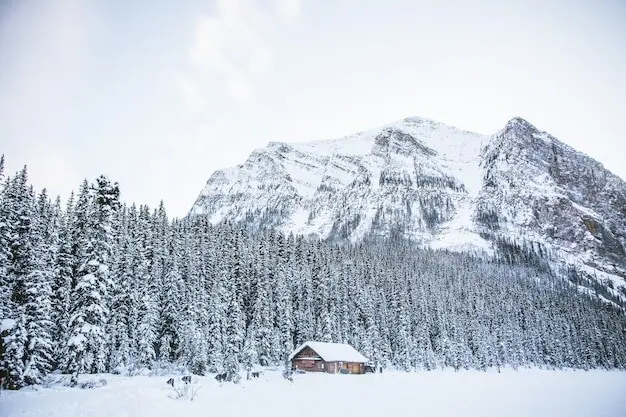

Greetings That Open Doors
Learn the local good morning, then use it even when shy. A handshake or respectful nod sets tone; eye contact warms, yet patience matters more. Accept small cups of tea or herb tisane, and never rush the first five minutes. Ask about weather, harvest, or a grandchild’s exam before mentioning directions. This unhurried choreography transforms you from customer to neighbor, and neighbors share paths you cannot find on maps.
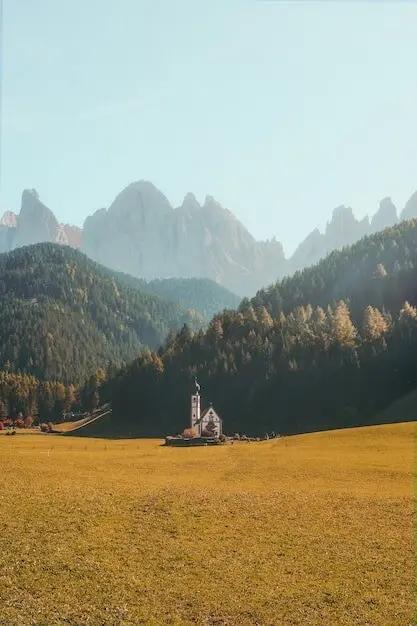
Sharing Kitchens and Calendars
Homestays reveal calendars etched in flour dust: baking days, market Fridays, early-morning cheese turns. Offer to chop wood, wash herbs, or fetch water, and notice pride in well-kept tools. Ask about festivals ahead; sometimes a mask-maker needs an extra pair of hands, and you are suddenly threading bells before twilight. Meals stretch as photos are passed around, and you leave carrying recipes, nicknames, and the promise to write.
Moving Gently: Footpaths, Trains, and Mules
Transport here becomes part of the encounter, not a blur. Footpaths stitch terraces and chapels; funiculars and narrow-gauge trains unspool panoramic hours. In some valleys, mules still ferry fruit and timber, teaching respect for pace and load. We choose routes that reduce transfers, extend scenic segments, and favor daylight arrivals, ensuring first impressions bloom in golden light. Movement slows to the mountain’s metronome, and your senses finally catch up.

Eating the Elevation
Flavors concentrate with altitude: herbs potent from cold nights, cheeses dense with high pasture fat, breads blistered in wood-fired heat. Meals are destinations, not errands. We plan picnics near springs, linger over soups that remember winter, and save space for festival sweets. Recipes carry family histories; tasting becomes listening. By sharing tables slowly, you digest more than calories—you absorb calendars, weather, and the affectionate logic of resilient kitchens.
Walking Lightly, Giving Deeply
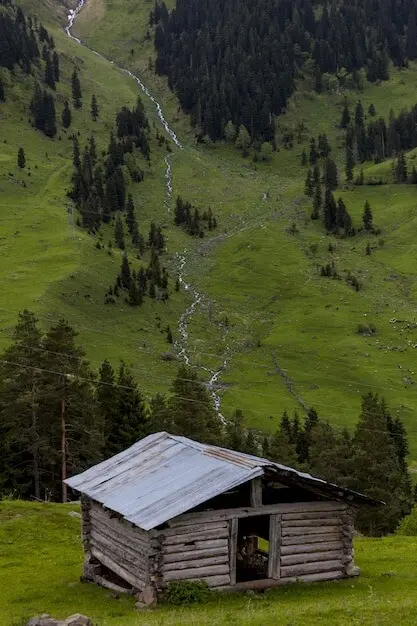
Sustainability here means more than footprints: it protects dialects, apprenticeships, irrigation channels, and communal ovens. We pack less to buy local, choose dwellings restored thoughtfully, and favor tap water where safe. Waste leaves valleys only at great effort, so refuse single-use packaging and refill sturdy containers. When we share stories, we attribute artisans and places correctly, ensuring their visibility grows without extracting credit from the hands that create.
Packing Lists that Respect Place
Carry layers that dry on a line, a repair kit for boots, and a small gift from your home region to exchange respectfully. A compact power bank avoids generator dependency; a notebook anchors memories offline. Refillable bottles, cloth bags, and a tiffin tin prevent plastic creep. Leaving gear space open encourages local purchases that matter, turning luggage into a micro-economy that supports craftsmanship rather than displacing it.
Trails, Customs, and Quiet Hours
Stay on marked paths to protect fragile roots and terraced walls. Keep voices low near prayer sites, barns, and dusk pastures, where animals spook easily. Ask before flying drones; better yet, pocket the controller and meet people’s eyes instead. Learn waste rules, spring etiquette, and churchyard boundaries. These courtesies cost nothing, build trust quickly, and ensure your presence knits rather than frays the fabric you came to admire.
Supporting Beyond the Visit
After traveling, continue relationships thoughtfully. Order replacements directly from artisans, join cooperative mailing lists, and share verified fundraisers for trail maintenance or heritage roof repairs. Publish route notes crediting businesses fairly and avoiding spoilers that overwhelm tiny lanes. Invite readers to comment with respectful updates, then revise together. Community grows when travelers become stewards, strengthening the slow, steady economy that keeps looms clacking and smoke rising through quiet, starry nights.

All Rights Reserved.